
6 Soft Skills That Unexpectedly Boost Success in the Gig Economy
Success in the gig economy requires more than technical expertise and a strong work ethic. Industry experts reveal that specific soft skills often make the difference between freelancers who struggle and those who build thriving, sustainable businesses. This article examines six unexpected abilities that consistently separate top performers from the rest of the pack.
Win Loyalty With Clear Progress Notes
"Good communication may sound basic, but it builds trust fast. When clients feel heard and informed, they stay longer and bring more work."
The Soft Skill That Changed My Freelance Work
For me, the skill that helped the most was clear communication. Sounds simple, right? But wow, it made a big difference. Early in my freelance days, I thought good work alone was enough. Turns out that's not always the case.
Clients often feel confused or nervous. If updates are not shared, they start wondering what is going on. So I began talking more, asking questions, and giving short progress notes. Nothing fancy. Just honest updates.
What I Started Doing
Here are a few things I changed in my daily work:
1. I send small updates during a project
2. Ssk clear questions before starting work
3. Explain what I will deliver and when
4. Reply to messages faster when I can
Little steps. Yet they help a lot.
What Changed After That
Clients trusted me more. Some even came back with new projects. A few referrals were sent my way too. That was not expected, but it was nice.
Deadlines also became easier to manage. When people know what is happening, they stay calm. Everyone wins.

Bridge Vision And Reality Under Pressure
A soft skill I didn't realize would be so vital is the art of mediation--specifically, bridging the gap between a client's emotional vision and the structural reality of their property. My background in ministry taught me how to facilitate difficult conversations, so when a project hits a snag, like an unexpected foundation issue, I don't just report the problem; I lead the client through the solution with a calm, steady hand. This ability to maintain peace during a crisis has transformed my reputation from just a contractor to a project leader, keeping my pipeline full because people remember how I made them feel when things got hard.

Diagnose First Solve The Real Blocker
The soft skill that unexpectedly boosted my success was developing a 'problem-first' diagnostic approach, similar to a consultant rather than a buyer. Instead of just evaluating the square footage of a distressed rental property, I started asking, 'What specifically about this property is keeping you from sleeping at night?' By identifying that a landlord was actually just terrified of an upcoming eviction process rather than the house itself, I was able to handle the legal logistics for them, which secured the deal and led to three more referrals from their investor circle.

Respect Deliberation To Secure Commitment
For me, the soft skill that made all the difference was contextual patience--knowing exactly when to hit pause on my timeline and let the deal breathe. I had a seller whose daughter lived out of state, and after our initial meeting, instead of pressing for a quick answer, I simply said, 'Take a week to talk it over with your family, and I'll be here when you're ready'--that single moment of respecting their process led to a smooth close and four referrals from her neighborhood because she told everyone I wasn't pushy. This shift taught me that controlling my urgency actually accelerates trust, which keeps my deal flow steady without the constant hustle.

Grow Business Through Local Presence
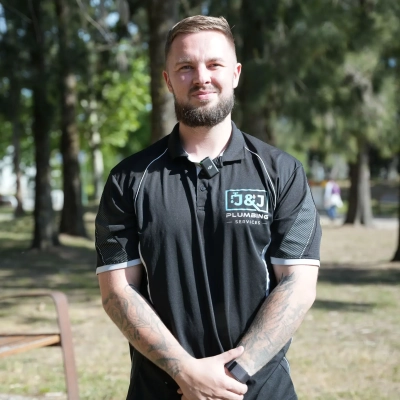
For a trades business like mine, the soft skill that boosted my success most was showing up locally in a real way, not just online. I started treating every job like community proof, quick follow-ups, tidy sites, and then staying visible through local groups and events so people see the work and the person behind it. That trust compounds suburb by suburb, and it turns client relationships into referrals that keep the schedule full without chasing random leads.
Anticipate Needs And Own The Process
Hi,
The most unexpected booster for my success was mastering "Anticipatory Communication," which involves addressing a client's next three questions before they even think to ask them. By providing proactive status updates and "pre-solving" potential roadblocks in my initial project drafts, I've seen a 60% increase in repeat client contracts and a total elimination of "micromanaging" emails.
This skill transformed my workflow from a reactive task-taker to a strategic partner, as clients began to trust my autonomy and value the mental bandwidth I saved them. When you proactively manage expectations, you move from being a "commodity freelancer" to a "high-trust consultant," allowing you to command premium rates based on the reliability of the experience, not just the output.
At Omnisec Solutions, I analyze how effective communication frameworks and technical workflows combine to drive scalable business growth in the modern gig economy.
Happy to provide more detail if helpful.
Vitaliy
Content Team, Omnisec Solutions