15 Unconventional Methods to Stand Out in a Saturated Freelance Market
Breaking through the noise as a freelancer requires more than talent and persistence—it demands strategy that most competitors overlook. This guide compiles 15 tested tactics from seasoned professionals who have built thriving freelance careers in crowded markets. These methods go beyond standard advice to reveal practical approaches that create genuine differentiation and attract high-quality clients.
Send Precision Teardowns That Earn Trust
Being the founder of spectup, one unconventional thing I did early on was stop selling services altogether in my outreach and instead send people a short, structured teardown of their situation. I am not talking about free consulting calls or long audits, but a one page note pointing out two things that were quietly holding them back and one thing they were doing better than they realized. I remember doing this for a growth stage SaaS founder who had raised seed and was struggling to get serious Series A conversations going. Instead of pitching spectup, I walked through how their pitch narrative was optimized for early believers, not risk managed capital, and I showed them where investors would likely pause internally.
What surprised me was not that they replied, but how fast the tone shifted. The conversation moved from price and scope to trust and judgment. At spectup, that approach became a pattern, especially in a crowded advisory and freelance market where everyone claims expertise. By showing how I think before asking for anything, I gave potential clients a real sample of what working together would feel like.
This helped secure more work because clients were not buying a service, they were buying confidence in decision making. One founder later told me that the reason they hired us was not the deck or fundraising support, but the fact that we noticed something their board had missed. In saturated markets, standing out is rarely about being louder, it is about being more precise. When people feel understood before being sold to, they stop shopping and start committing.

Lead With Data And Personalization
In a saturated market, distinguishing oneself requires a deep understanding of both industry trends and the evolving landscape of digital marketing. I focused on creating a distinct voice by blending data-driven insights with personalized marketing strategies. This approach allowed us not only to follow trends but to set them offering unique solutions that addressed our clients' specific needs.
By prioritizing actionable insights over generic services we built stronger relationships with clients who valued data-backed decisions for their long-term growth. Through consistent thought leadership content we established a reputation as innovators in the digital space. This strategy not only secured more projects but also solidified our position as trusted partners in driving business success.

Create Scarcity To Signal Demand
We differentiated by limiting availability publicly. Instead of advertising openness, we showed booked calendars and waitlists. Scarcity signaled demand in a crowded field. It reframed conversations around priority, not price.
This secured more work because urgency increased. Clients moved faster to secure capacity. Projects became more intentional. Time quality improved with deal quality.

Make Proposals Diagnostic And Useful
One unconventional move that worked was turning proposal writing into a diagnostic, not a pitch. Instead of selling services, I sent prospects a short teardown of their funnel or content one clear problem, one missed opportunity, and one actionable fix before any call.
That reframed me from "another freelancer" to "someone already doing the work," which cut price objections and shortened decision cycles.
Practically, it increased reply rates because clients felt immediate value, not promises. It also filtered leads: people who engaged with the insight were far more likely to convert and retain.
In a crowded market, being useful before being hired is what created differentiation and steadier deal flow.

Offer Hospitality Workshops That Spark Referrals
I started hosting free 'property profit workshops' at my Airbnb properties near Augusta National, inviting local homeowners to learn flipping basics over breakfast. This wasn't about selling my services--I genuinely shared my renovation strategies, contractor recommendations, and even walked them through my recent projects nearby. That hospitality approach, rooted in my 15 years of restaurant experience, turned attendees into my biggest advocates; they sent me their friends' distressed properties and even partnered with me on deals because they'd experienced my genuine commitment to adding value first.

Run Live Walkthroughs That Drive Engagement
I started hosting informal "Fixer-Upper Fridays" where I'd walk through distressed homes live online and let viewers vote on the repair plan. It made the process educational and interactive instead of just a sales pitch. That small twist built a loyal following of homeowners and investors who began reaching out, saying they wanted to work with the guy who wasn't afraid to tackle problems in real time.

Document Raw Repairs To Gain Credibility
I started documenting real-time property walkthroughs on social media--showing not just the successes but the ugly problems too, like water damage or bad foundations--and explaining exactly how I'd fix them. People appreciated the transparency and learned from it, which built a ton of trust. Before long, those raw videos brought me leads from homeowners who said, 'You're the only one showing what really happens.'

Mail Handwritten Thanks To Unlock Leads
One thing I did early on that seemed backward was sending handwritten thank-you notes to homeowners I *didn't* end up buying from. I'd thank them for their time and wish them luck, no strings attached. A few months later, one of those sellers referred me to a friend who did sell--and that turned into three more deals. It reminded me that authentic follow-up often outperforms any marketing campaign.
Provide PCS Briefings For Military Families
As a veteran myself, I knew the stress military families face with last-minute PCS moves. Instead of broad marketing, I offered free 'PCS Smooth-Out' briefings specifically for service members in Clarksville, providing a clear, mission-focused plan to sell their homes fast. This built immediate trust within that community and made me the go-to resource for families on a tight timeline, bringing me consistent deals before they ever hit the open market.
Adopt A Narrow Repeatable Market Label
I stopped selling myself as a generalist and picked a narrow label clients could repeat, like "hyperlocal SEO" instead of "SEO," then built everything around suburb-level intent and local proof. In a crowded market, that positioning makes the choice easier because you are not competing with everyone, you are the obvious fit for one job. It also helped me secure more work because referrals became cleaner and faster, since people could describe what I do in one line and send the right leads my way.

Publish Anti-Roadmaps To Guard Budgets
While other vendors scream about their technology, we chose to stand apart as the financial skeptics of our client's project. The traditional proposal approach was replaced with the creation of anti-roadmaps containing our client's list of requested features with a thorough justification for the feature or rationale for excluding the feature, showing them where to consider spending their money wisely. By doing this, it changed the perception of our role from being a vendor seeking to earn money to a partner helping them protect their money. By helping clients understand how they could reduce their costs by not implementing unnecessary development items, we gained trust and provided assurance that signing the final contract would be a mere formality for them.
In a saturated software market, we found that the discipline of writing less code is far more valuable than simply writing more code. The product analytics company, Pendo, has conducted similar research to that which we performed internally, finding that 80% of a typical software product's features are only used infrequently or not at all. By encouraging clients to review their requirements based on a financial metric and by challenging the list of items, we assisted them in avoiding the feature factory mindset. In a saturated software market, being a valuable asset comes from demonstrating transparency with the client's finances and recognizing your role as a risk mitigator, not a freelancer.
The way to stand out in a saturated software market is not by being louder than anyone else, it is by being more helpful than anyone else. By aligning your technical execution with the client's budgetary requirements, your competition becomes irrelevant in the saturated software market.

Open With Specific Questions Not Introductions
I stopped opening with introductions.
On platforms like Upwork, most freelancers start with "Hi, I'm [name] with X years of experience...", the client has read 50 of those already.
My first line is always inlcudes the client's name, and a specific question or observation about their project. Something that proves I've read, their brief checked their website or channel and thought about their problem before hitting send.
For example, instead of pitching my services, I might ask: "You mentioned your landing page isn't converting, are you tracking where visitors drop off, or just the final conversion rate?"
This does two things: it shows I'm not an AI or a copy-paste sender, and it immediately starts a conversation about their actual challenge rather than my credentials.
I tell prospects we'll need to test. I have frameworks that work, but I won't promise their specific audience will respond the same way. Clients appreciate the honesty, it builds trust faster than guarantees ever could.

Showcase Decision Notes That Prove Judgment
One unconventional method i used to stand out in a very crowded freelance market was to stop selling services and start documenting decisions. While most freelancers focused on portfolios, pricing pages, or cold pitches, i shared short breakdowns of how i actually thought through real problems. I did not say what i could do. I showed how i decided what not to do.
I started posting and sharing small decision notes. Why i rejected a client brief. Why i changed a strategy midway. Why a popular tactic would not work for a specific business. These were not case studies with results. They were reasoning logs. This immediately filtered the audience. People who wanted cheap execution ignored it. People who valued thinking leaned in.
This approach helped because it removed comparison. In a saturated market, skills overlap. Tools overlap. Pricing overlaps. Thinking does not. When clients read how i approached problems, they already trusted my judgment before talking to me. Sales conversations became alignment conversations, not convincing ones.
Another advantage was that it pre qualified work. Many inquiries started with "i read how you think" instead of "what do you charge". That changed everything. Projects became clearer. Timelines improved. Scope creep reduced because clients already understood my decision framework.
It also attracted better work quietly. I did not chase platforms aggressively. People shared my content internally. Founders forwarded it to partners. Teams reached out because they wanted that way of thinking inside their projects, not just delivery.
What i learned is that standing out is not about being louder or different on the surface. It is about making your internal process visible. When people see how you think under uncertainty, they stop shopping and start choosing. That shift helped me secure more work with less effort and far better fit.

Specialize In Impossible Properties Others Avoid
I created my own niche by exclusively focusing on properties other investors had deemed 'impossible' to flip--houses with severe foundation issues or complicated legal situations. I developed a specialized renovation workflow for structural problems and built relationships with engineers and specialized contractors who could tackle these challenges efficiently. This approach eliminated competition almost entirely because I wasn't fighting for the same properties as everyone else, and I quickly became known as the investor who could solve problems others couldn't touch.

Engineer Reputation Systems That Convert Inquiries
In saturated freelance markets, most people compete on style and price. I chose to compete on infrastructure and trust signals instead.
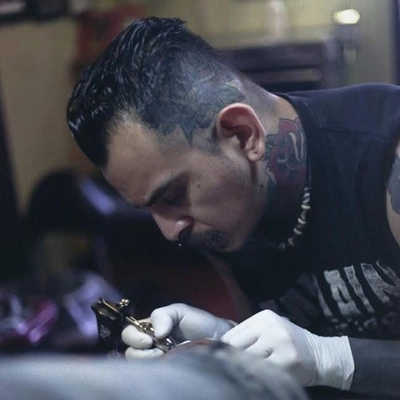
At Calavera Ink Berlin Tattoo & Piercing, I built the studio like a local e-commerce system, not just an art portfolio. We focused on search intent, review strategy, and instant response workflows. We engineered our Google presence, published authority content, and implemented structured consultation and reply systems so potential clients receive fast, professional answers — even outside business hours.
The unconventional move was treating reputation like a product. We guided clients to leave detailed reviews about process, hygiene, and professionalism — not just the finished tattoo. That shifted how prospects evaluated risk and quality before contacting us.
The result was measurable: fewer price shoppers, more decision-ready clients, and higher booking conversion. Visibility plus structured trust outperformed portfolio marketing alone.